County Kerry #5
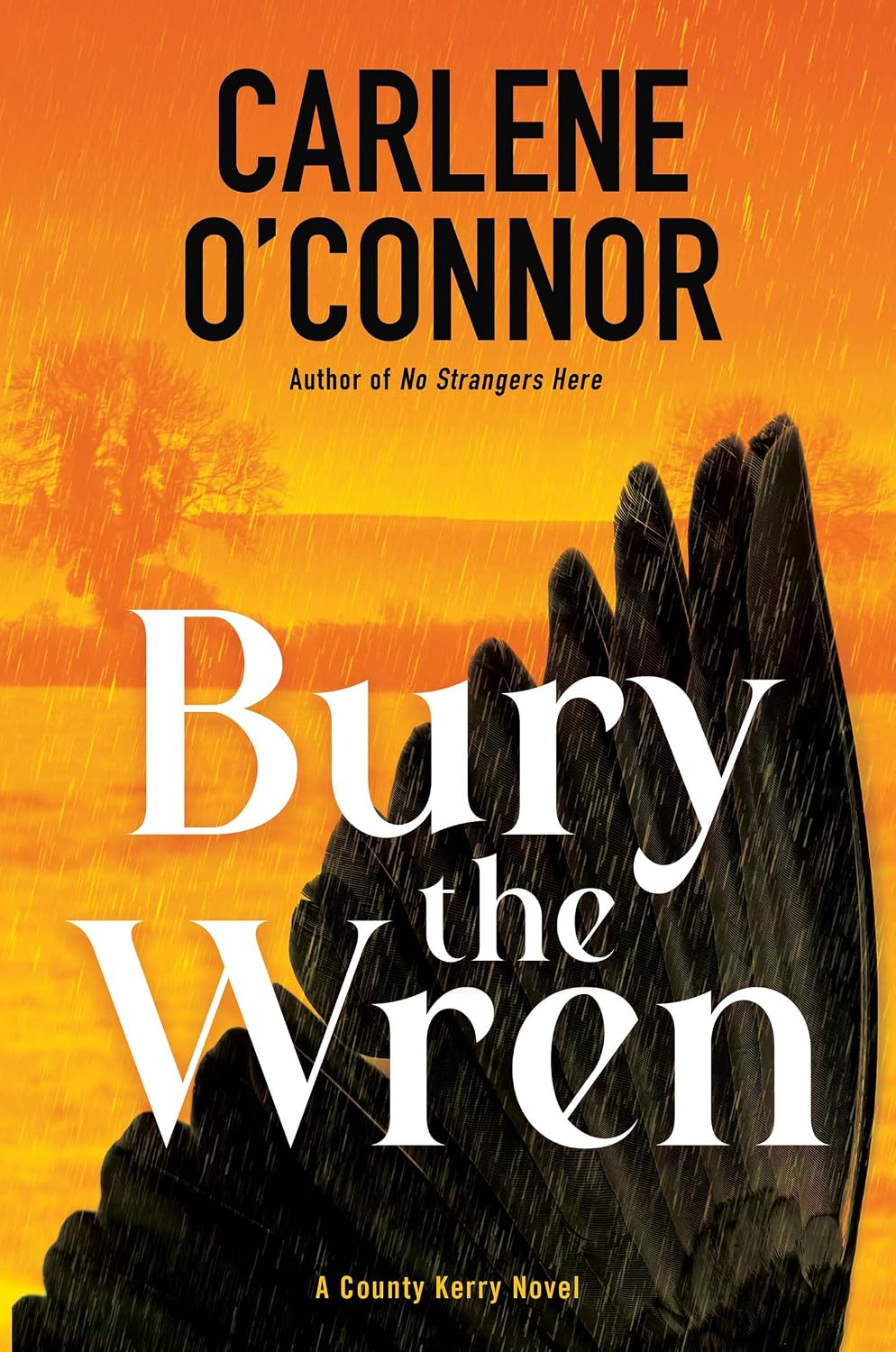 I’m a big fan of this series, and I love the folklore that illuminated this particular instalment. The books are set in tiny Dingle, Ireland, where veterinarian Dimpna Wilde has returned home from the big city of Dublin to run her father’s veterinary practice. While the veterinary parts of this novel were not as front and center as they are in some of the other books, the St. Stephen’s Day celebration that sets the story makes the book a memorable read.
In Ireland, on St. Stephen’s Day (December 26), the townsfolk celebrate with parades and pub crawls, centered on the “Wren Boys” who are dressed in straw and paint their faces green. In folklore, the wren betrayed St. Stephen’s hiding place by chattering. Wrens are carried in effigy by the wren boys (in modern times, stuffed versions, though wrens used to be actually hunted). That sets the scene when Dimpna finds a taxidermized wren on the steps of her practice, and it gives her a chill as she starts off to town to meet her boyfriend, Cormac, to watch the parade.
Cormac, a detective, has recently left Dingle for Dublin and the two are suffering through a long distance romance. As they watch the parade, they notice a boy dressed in a giant horse head pulling a cart and a flash of sneaker in the back of the cart – on investigation (with the classic help of a stray dog), there’s a body found in the cart, and that discovery shuts down the parade and launches an inquiry which includes more deaths and more wrens.
O’Connor, who is Irish and splits her time between Ireland and the U.S., has another, cozier series, a dozen books strong. This series is a bit darker than her Irish Village series. These are truly police novels, told through the lens of an Irish village, but the deeds uncovered by the police in these books are as dark as any urban police novel. She does a brilliant job of layering her characters and creating the village of Dingle, illustrating family connections, resentments, and the slights that boil over into more than resentments.
The dead young man has left behind shattered parents and two women who were apparently fighting for his affections. Which of them truly owned his heart is murky, and of course, he had ties to some less savory activities. As O’Connor peels away the layers of grief in this novel (including one grieving dog), the remaining picture is a grim one, though O’Connor is ultimately not a grim writer. These books have an optimism about them despite the dark stories they tell.
Main character Dimpna, with her job, her fortune telling mother who lives in a trailer, a brother who owns a tattoo parlor and a rediscovered son, adds to the color and depth of the stories. The framing device of the folklore adds to the rich tapestry of the story. Set during the Christmas season – there’s even a blizzard pinning everyone in place at one point – this is the kind of read to snuggle in with on a cold night. — Robin Agnew