Barbara Cleverly: Diana’s Altar
 I haven’t picked up a Barbara Cleverly novel in a couple years, despite being a huge fan of the earlier books in this series, which are set in India during the British Raj. Her central character, Joe Sandilands, has since made his way back through Europe and is now back home in London working for Scotland Yard. But enough time had elapsed for me not to compare the books set in India to this one, which is set in Oxford in 1933.
Cleverly has always been a bravura plotter and storyteller; she has twists upon twists and it makes a reader breathless to try and keep up with her facile brain. The opening scene in this novel is a knockout – a young female doctor, bicycling home, is drawn on All Hallows Eve to explore a sinister looking church on the edge of the University campus. She’d been intrigued by a sign she’d seen; but instead of finding some kind of weird cult at work, she finds a dying young man in one of the pews who confesses to his own suicide with his last breath. She’s a doctor so she does her best to save or at least comfort him, and she’s shaken by his death.
 I love Louise Penny, and that’s no secret. There are many, many readers out there who share my adoration. But I was starting to wonder how she could move forward with Gamache being essentially retired in Three Pines… it’s too much like paradise and it’s too settled. There are few reasons to bring him into a case, other than his new son-in-law.
 Anyone who has read any of Brian Freeman’s other Jonathan Stride novels set in Duluth know Stride is haunted by the death of his wife, Cindy. He’s in the present happily dating a woman named Serena but it’s been an itch I couldn’t scratch throughout the series – what was Cindy like? How did she die? (I knew she had cancer but the details were murky). What was her relationship with Stride like? Well, readers, those questions are answered at last and I could not have immersed myself more in this novel as I drank in the details of Stride’s marriage. Mr. Freeman, of course, as usual, includes a kick ass thriller on top of all this, so the book is literally impossible to put down.
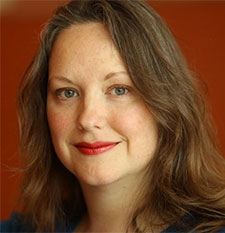 Q: You maintained your desire for justice for twenty years after your rape. Was there any point where you thought the official case would progress any further?
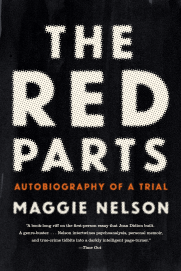 I recently read two great true crime narratives, The Red Parts: Autobiography of a Trial by Maggie Nelson and Jane Doe January: My Twenty Year Search For Truth and Justice by Emily Winslow, that started me thinking about the evolving way we look at crime. Both books demonstrate the seismic effect that advances in DNA testing have had on both prosecuting and narrating crime stories.
 The first chapter of this novel is a master class on how to kick off a gripping thriller. We meet an unnamed woman as she sneaks out of—somewhere?—we just find out it’s very cold and she has to be quiet. We join her on her escape and ultimate chase and death, caring about her more and more the more we read. In indelible strokes and in a short amount of space—only 9 pages—Castillo introduces her story conflict, brings us a character we care about and are invested in, and establishes a vivid setting. Really, if you want to write a gripping crime novel, this would be a great chapter to check out as an example. But if you’re a reader, like most of us, you’ll simply want to find out what’s next.
 If you want a compelling reading experience, just pick up a David Bell book. Reading the first page can be like leaning over a suspense generating machine—the gears of the story will grab any loose time you have and draw you in irresistibly. Take, for instance, the first few lines of his latest, Since She Went Away:
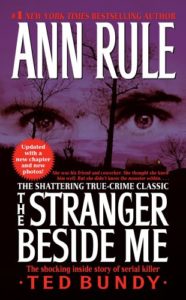 Most people on the planet know the “Ted Bundy” story (unfortunately). That alone does not make Ann Rule’s The Stranger Beside Me a true crime classic, though she relates the details of the case in her typically clear, well-told storytelling style. She’s one of the best in the biz, and this book illustrates the reason why. And on her telling of Bundy’s story alone, this would be a great true crime book. What takes it to the next level and makes it unique is the friendship she had with Ted Bundy, far pre-dating his notoriety. It’s her own change of feelings and attempt to understand what happened that make this book a standout.
 Jane Casey has developed into one of the more reliable police procedural writers around. This is a bravura effort from her, seven books into her series about Detective Maeve Kerrigan, the vagaries of her love life, and her fellow detective, the irascible Josh Derwent. Tackling a fire that breaks out in a housing project (or as the Brits call them, Housing Estates, a fancier term for the same thing), Casey highlights various people who live on the estate, couched mostly in heartbreaking terms. Things only get worse after the fire.