I stumbled across G.M. Malliet’s write up of Tey’s classic, The Daughter of Time, on goodreads, and she agreed to share it with us. Malliet, of course, is the gifted creator of the St. Just and Max Tudor books, among others. She’s a lover of golden age mystery fiction – The Daughter of Time being a prominent example – and a perpetrator herself in continuing that tradition, with her own modern updates to the form. Read on!
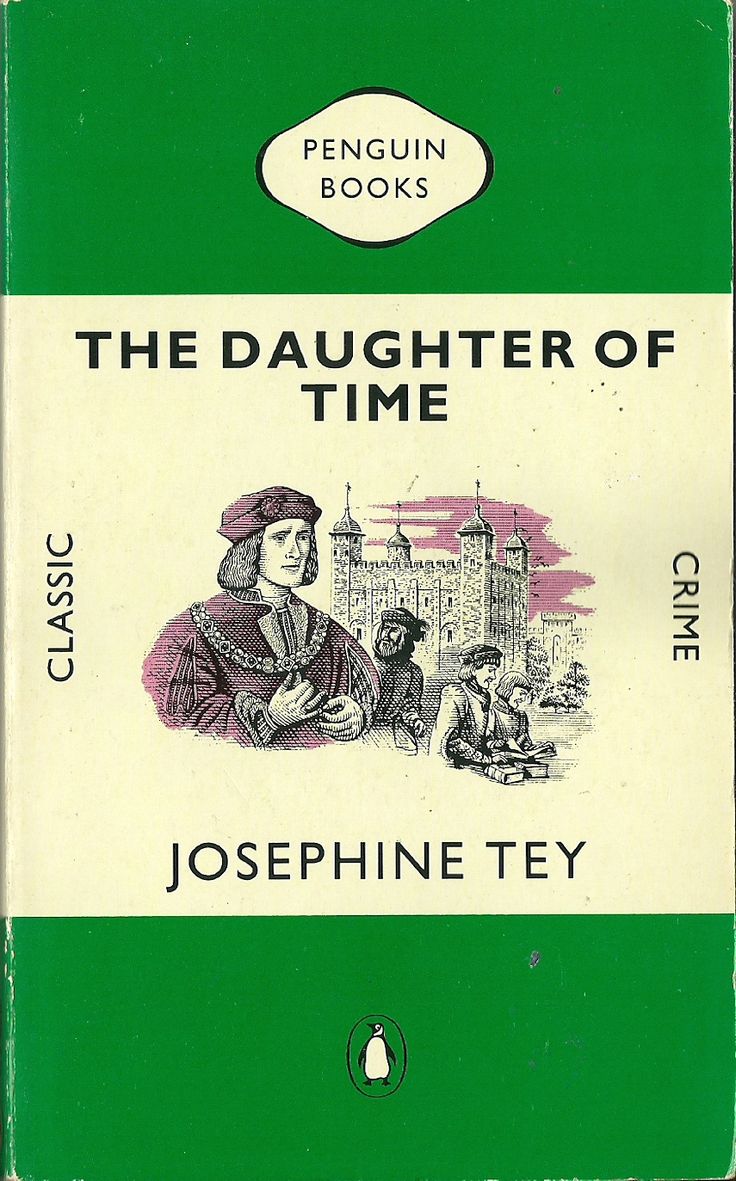 What if the most gripping mystery you ever read involved no car chases, no shootouts, and a detective who literally cannot get out of bed? That’s the premise of The Daughter of Time – and it works brilliantly.
Published in 1951, The Daughter of Time was the last novel Josephine Tey saw published during her too-short lifetime (she died at fifty-five). In 1990, it was voted number one in the “Top 100 Crime Novels of All Time” list compiled by the Crime Writers’ Association in the UK.
Josephine Tey was a pen name used by the Scottish author Elizabeth MacKintosh. She never married and was reportedly something of a mystery even to her most intimate friends. It seems fitting that a woman so guarded would write such a deeply satisfying mystery.
Here’s the story: Scotland Yard Inspector Alan Grant is stuck in a hospital bed, bored to distraction, with a broken leg. He’s an active, intuitive man – someone who solves crimes with a combination of sharp brains and physical tenacity. He has is interested in poetry, the theatre, and sports – none of which are available to a man flat on his back, staring at the cracks in a hospital ceiling and slowly losing his mind.
His friends come to the rescue by bringing him a puzzle, one with its roots deep in English history.
For centuries, Richard III was vilified as the hunchbacked, wicked uncle who murdered the Princes in the Tower in the summer of 1483 to secure the crown. But was he guilty? Or has history (as written by the victors) been lying to us and covering up the truth for over five hundred years?
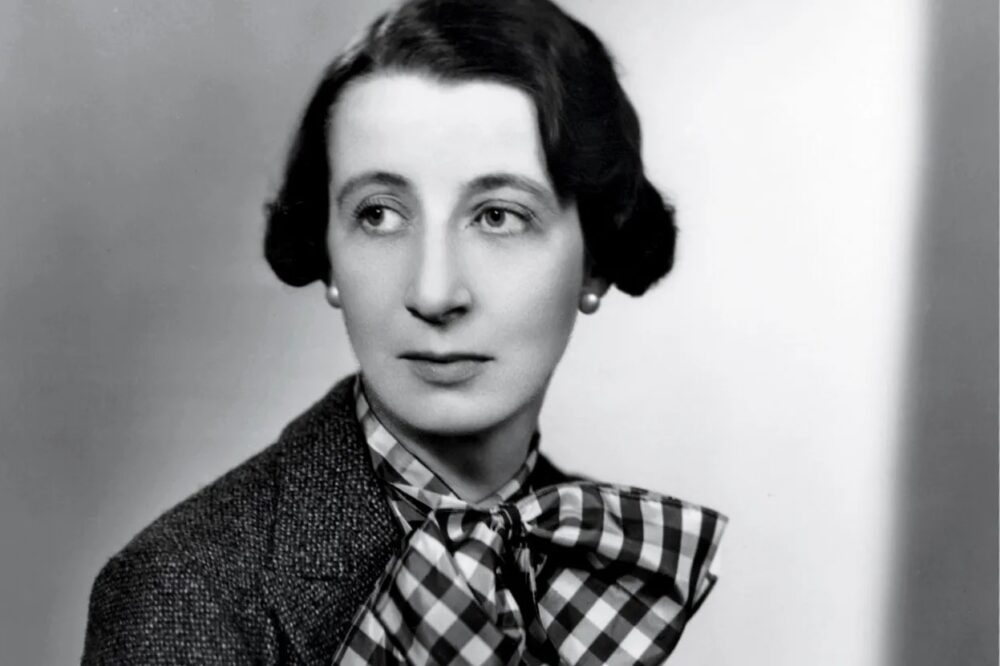
Does the familiar portrait of him as a nearly cartoonish villain truly represent him, or is that all a coverup, too?
And off Grant goes – from his hospital bed, armed with books, documents, and eventually the help of an American scholar and the resources of the British Museum – to crack a cold case that has been cold since the fifteenth century.
The book is funny. It moves along at a lively pace, given that its hero is horizontal for the entire novel. It’s a masterclass in collaborative sleuthing – that wonderful kind of mystery where watching the team in action is half the pleasure.
The title itself comes from a proverb made popular by Sir Francis Bacon: “Truth is the daughter of time, not of authority.” The idea being that the truth will out. Especially when someone like Grant (that is, Tey) is doing the digging.
For audiobook lovers, a recording narrated by Derek Jacobi exists, and by all accounts it is magnificent. If that’s your preferred way to read, consider yourself especially lucky on this one.
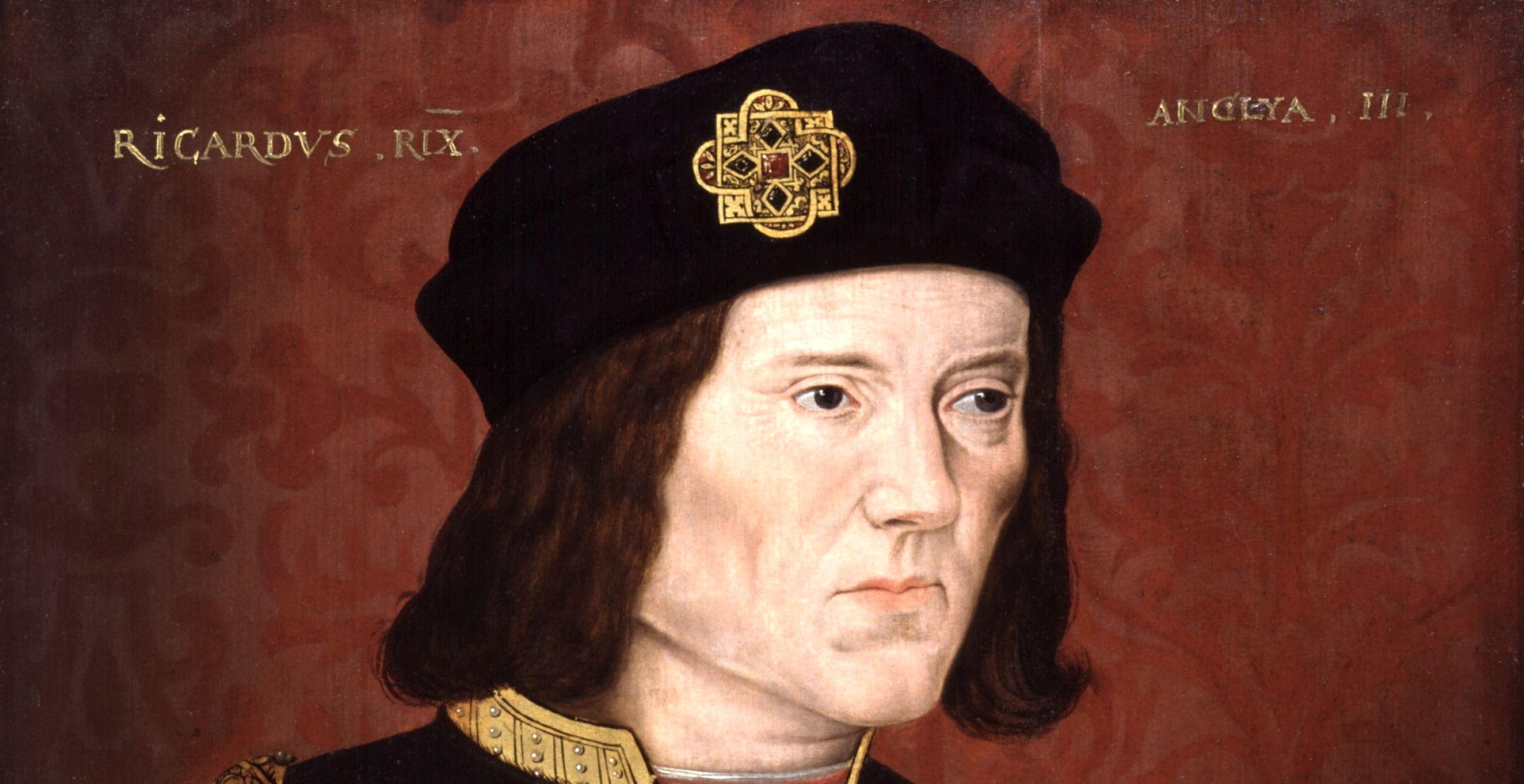
Going into this book knowing its towering reputation is always risky – and perhaps you won’t agree with the book’s #1 status. But if you enjoy historical mystery, clever writing, or simply want proof that a novel can break almost every conventional rule and still be among the very greatest of its kind (The Murder of Roger Ackroyd, anyone?) – pick this one up.
The Daughter of Time is the fifth book in Josephine Tey’s Inspector Grant series but reads perfectly as a standalone. Your local library almost certainly has it, and it’s widely available in print, eBook, and audio.
*******************
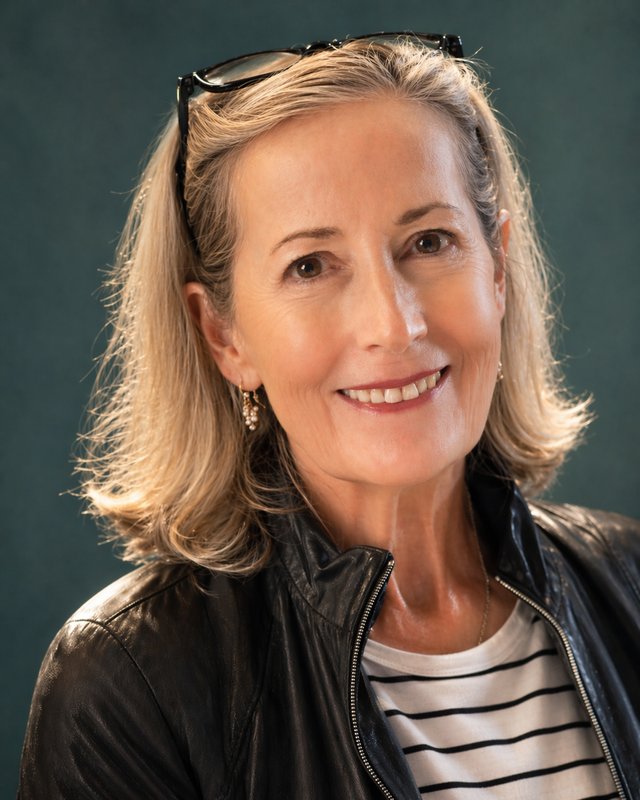
Agatha Award-winning G.M. Malliet is the acclaimed author of three traditional mystery series and two standalone novels. The first entry in the DCI St. Just series, Death of a Cozy Writer, won the Agatha Award for Best First Novel and was nominated for many awards, including the Macavity and the Anthony.
The Rev. Max Tudor series has similarly been nominated for many awards as have several of her short stories appearing in Ellery Queen Mystery Magazine, Alfred Hitchcock Mystery Magazine, and The Strand.
She grew up in a military family and attended about a dozen schools worldwide, but it was a two-year stint with Catholic nuns that taught her grammar and spelling. Her higher academic background is in journalism and the psychology of education, with a focus on learning and creativity.
The author of dozens of short stories, she says she writes them as a way of dealing with the characters and settings and schemes that often pop into her head while she’s writing something else but “have no business being in the novels.” Her next book is in the St. Just series, Death Comes as a Footnote (Nov. 2026). Visit her here.
=