Coroner Martha Gunn #8
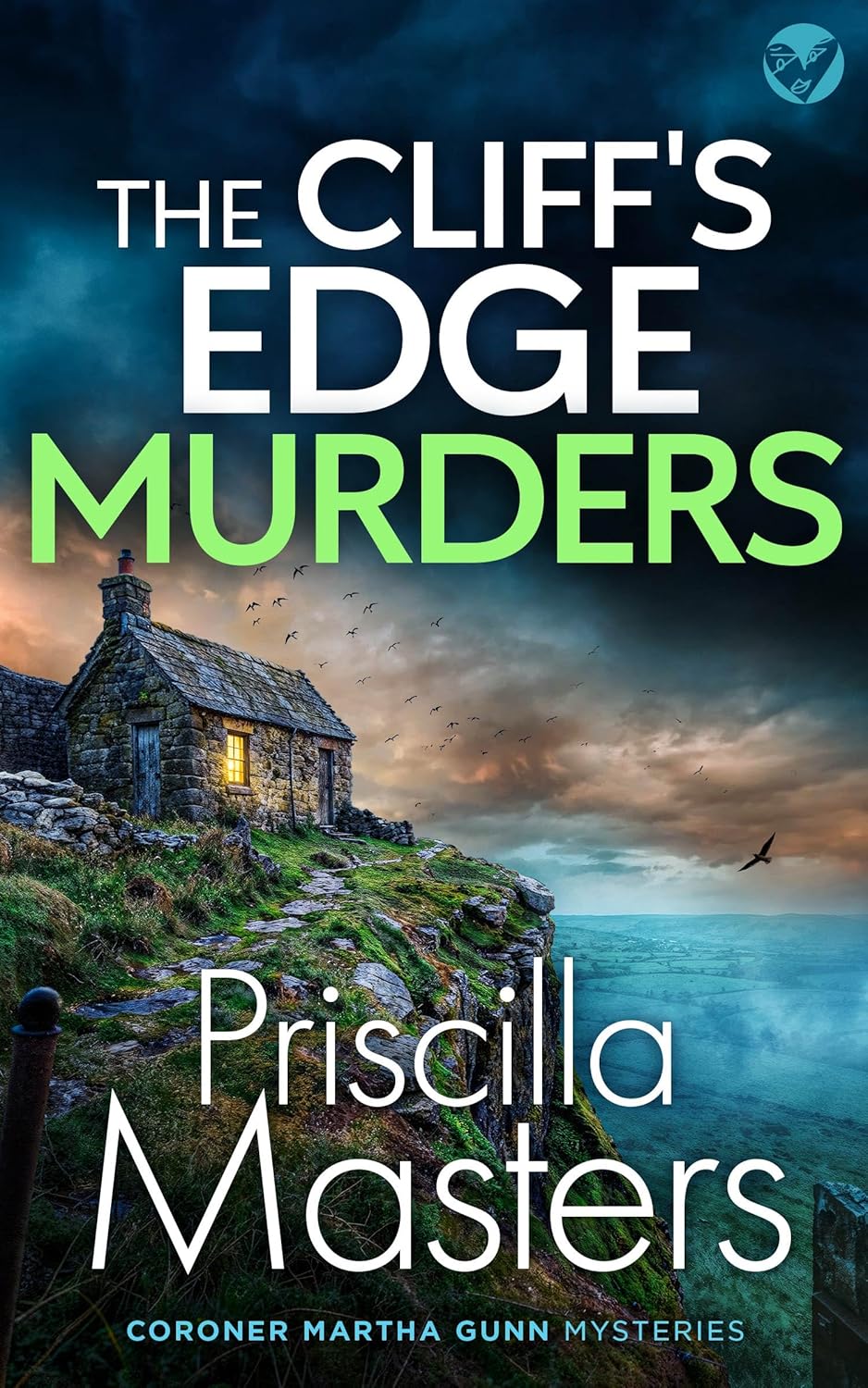 When I started this book, which is set in the UK, I had to look up exactly what a Coroner does as it’s a position we don’t have in the US. In the UK it’s a judicial office, and the coroner works with the police in an investigation of a sudden and suspicious death, rendering a verdict on the type of death at an inquest. So many of us have read mysteries containing an inquest – Rebecca being a famous example – that the whole concept was not completely mysterious. As this book has a Coroner as its main character, the research was handy, and it allowed me to understand that the central character, Coroner Martha Gunn, has a close and working relationship with the police.
I love a good police novel, and will read them in almost any format, from Michael Connelly to Deborah Crombie to Cynthia Harrod-Eagles. This novel doesn’t have the extra bells and whistles provided by those writers, but it has a good story, good characters, and a believable and compelling police investigation at its center. The book opens with a horrific car crash – two teen boys have driven off the edge of a cliff. When the police begin to examine the scene they discover another body – there’s an old woman wrapped in a blanket in the trunk of the car. There are no clues to how she possibly could have ended up in the trunk.
As the police go through the sad business of notifying the boy’s parents, the name of their friend Solomon reoccurs so often that they are on full alert looking for him. They are also trying to discover the identity of the woman in the car with them.
Threaded through the story is Martha’s growing relationship with a widowed detective, Alex. Martha has been a widow for a long time herself and has raised her two children, now finding herself at a lose end – alone and a bit lonely in a big house. She’s worried about her daughter who has an inappropriate and unpleasant boyfriend, and she’s trying to rope in her daughter’s twin to convince her to step away from the man. Her relationship with Alex is proceeding slowly and awkwardly, but it’s proceeding. It reminded me a bit of Simon Brett’s delightful Ellen Curtis and her tangled family relations in the Decluttering series.
The main part of the story concerns Alex’s dogged investigation as he attempts to find the missing boy and discover the identity of the woman, at one point sure he will be meeting and then discarding every elderly woman in the area. He often turns to Martha, and they talk the case through, Martha doing some investigation on her own. They make a good team. This was a brisk, well told story. It could have used a bit of light editing as the author repeats some bits of information, but I liked Martha and I liked Alex. I’m willing to both look back to past installments and to see what happens next as the series moves forward. — Robin Agnew